

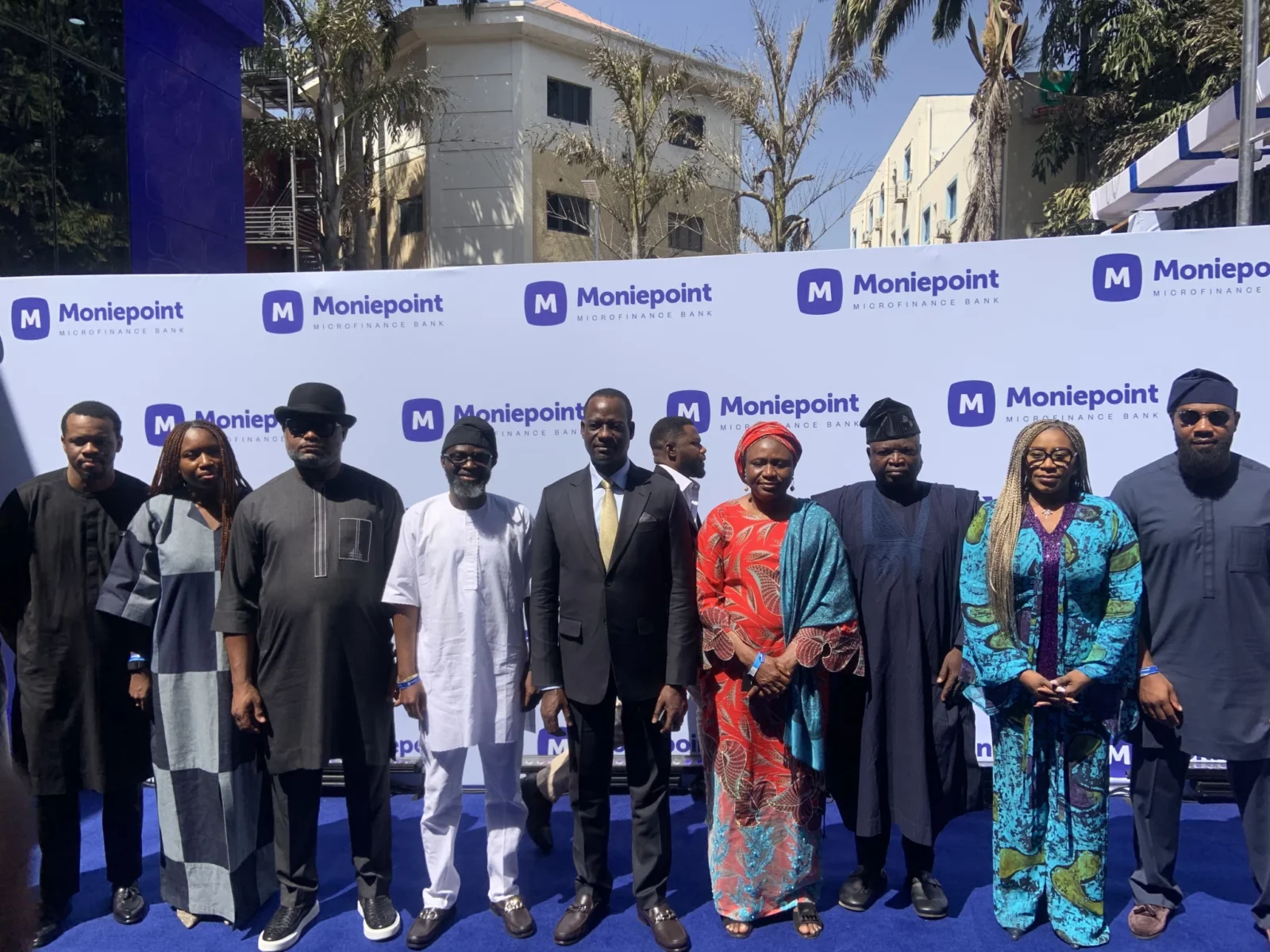
Moniepoint Microfinance Bank (MFB) has commissioned its North Central regional headquarters in Abuja as the fintech company expands its physical presence to meet regulatory expectations and strengthen customer support across Nigeria.
The development comes amid the Central Bank of Nigeria’s (CBN) requirement for nationally licensed microfinance banks to establish physical locations alongside their digital banking operations.
The regulatory move is aimed at ensuring that financial institutions with nationwide digital operations provide accessible, face-to-face customer support, particularly for customers who may not be comfortable resolving banking issues through digital channels.
Speaking at the commissioning ceremony on Friday, Moniepoint MFB Managing Director, Babatunde Olofin, said the bank plans to replicate the regional headquarters model in other parts of the country.
According to Olofin, Moniepoint currently processes more than ₦1 trillion in transactions daily for approximately 21 million customers.
The new Abuja office forms part of the company’s growing physical network, which already includes offices and service centres in northern states such as Borno, Bauchi, Kaduna, Kano and Sokoto.
Moniepoint also operates a nationwide point-of-sale (POS) network serving businesses across all 774 local government areas in Nigeria.
The expansion comes as digital payments gain increasing acceptance among businesses in northern Nigeria, where cash has traditionally dominated commercial transactions.
In Borno State, for instance, more than 45 per cent of customers in some markets reportedly prefer digital payment methods, with bank transfers accounting for 28.6 per cent and POS transactions representing 17 per cent.
Olofin explained that establishing physical offices would help the bank serve customers who prefer face-to-face assistance when resolving financial issues.
He stressed that banking requires trust and that customers, particularly those in informal businesses, should have access to physical locations where they can receive assistance in languages they understand.
According to him, Moniepoint initially focused on serving people and businesses that traditional financial institutions often overlooked, including spare-parts dealers and small-scale traders.
Olofin added that the bank was not adopting the expensive, branch-heavy structure associated with conventional commercial banks.
Instead, Moniepoint intends to maintain lean physical hubs where customers can meet relationship managers and resolve more complicated banking concerns.
Although the approach is expected to limit expansion costs, maintaining offices and employing customer service personnel will still increase the company’s operating expenses.
Shettima Highlights Financial Inclusion Benefits
Nigeria’s Vice President, Kashim Shettima, represented by the Minister of Finance and Coordinating Minister of the Economy, Taiwo Oyedele, described Moniepoint’s expansion as part of the country’s broader efforts to deepen financial inclusion and support small businesses.
Shettima noted that although technology provides speed and wider access to financial services, customers also need human assistance to understand and navigate banking services.
He said the long-term value of Moniepoint’s expansion would be determined by the businesses it helps to establish and grow.
The Vice President’s remarks highlighted the importance of combining digital financial services with physical customer support, particularly for small businesses and underserved communities.
Moniepoint Expands Lending to Small Businesses
Beyond expanding its physical presence, Moniepoint is also strengthening its lending operations to improve access to credit for small businesses across Nigeria.
The company reportedly disbursed more than ₦1 trillion in loans to small businesses in 2025 and plans to extend credit facilities to smaller micro-businesses, agriculture and Compressed Natural Gas (CNG) initiatives.
Moniepoint Chief Business Officer, Tobi Amira, said businesses accessing the company’s working capital loans record an average 40 per cent year-on-year growth in transaction volume.
Amira explained that the company intends to accelerate its lending operations by reaching smaller businesses and developing targeted credit programmes for sectors with significant economic importance.
These include agriculture and fuel-related businesses, which continue to play important roles in Nigeria’s economy.
The expansion of its lending operations is expected to strengthen Moniepoint’s position as a financial services provider for merchants, entrepreneurs and small businesses.
Moniepoint’s Growing Role in Nigeria’s Fintech Industry
Founded as TeamApt, Moniepoint has grown into one of Nigeria’s major payment and business banking platforms.
The company says it has created more than one million jobs through its agency banking and merchant network.
Its decision to invest in physical infrastructure reflects a broader shift in Nigeria’s fintech industry, where companies that initially expanded through digital platforms and agent networks are increasingly establishing physical locations.
The trend is particularly noticeable among fintech companies obtaining national microfinance bank licences and taking on greater regulatory responsibilities.
Kuda Microfinance Bank is also pursuing a similar strategy. Following its receipt of a national microfinance bank licence from the CBN, Kuda announced plans to establish more experience centres to improve customer support and community engagement.
Moniepoint’s new Abuja headquarters therefore represents another significant development in Nigeria’s evolving digital banking industry, as fintech companies seek to balance technological innovation with customer trust, regulatory compliance and financial inclusion.
