

Political tension has heightened in Delta State following a deadly attack on a political campaign in Uduere, Ughelli North Local Government Area, which reportedly left four people dead and at least 15 others seriously injured.
The violence occurred on November 23, 2026, when gunshots disrupted political activities, forcing campaign supporters and residents to flee for safety.
The incident has triggered accusations between the All Progressives Congress (APC) and the National Democratic Congress (NDC), with both political camps blaming each other for the bloodshed.
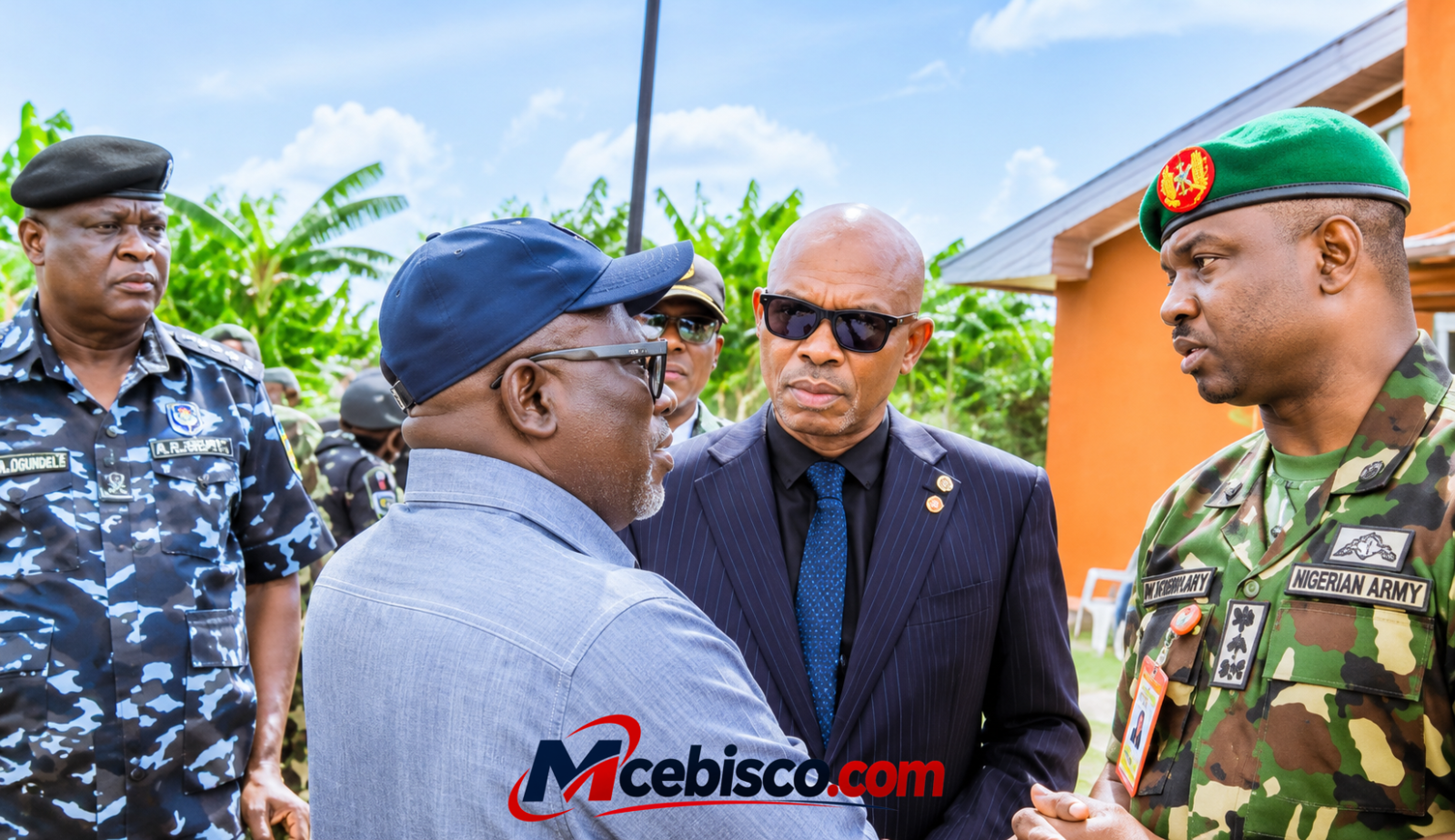
Delta State Governor, Sheriff Oborevwori, subsequently visited the affected Ughelli community alongside security officials and ordered the arrest of those responsible for the killings.
The incident has also raised serious concerns about political violence ahead of the 2027 general elections, particularly because six truckloads of policemen were reportedly deployed to provide security during the campaign.
Previous Attacks Raise Concerns Ahead of 2027 Elections
The Ughelli violence is the latest in a series of reported disturbances involving political gatherings in Delta State.
On September 18, an NDC one-million-man march in the Warri-Effurun axis was disrupted by violence, leaving several people injured.
An AK-47 allegedly recovered from a suspect identified as Collins subsequently became a subject of controversy after the NDC claimed the suspect was released by the police the following day.
On October 3, the NDC organised a 10,000-man march against hunger in Ughelli.
The following day, Ughelli North Local Government Council, chaired by Chief Jaro Egbo, reportedly sealed the business premises and impounded a truck belonging to Tobore Alex Agbah, who led the demonstration.
Agbah later became one of the victims of the November 23 attack.
Another NDC march held in Asaba on November 7 also reportedly ended in violence, with one person losing their life.
The repeated incidents have fuelled allegations that opposition political activities are being targeted by individuals allegedly connected to the ruling APC.
However, Delta State Commissioner for Information, Charles Aniagwu, rejected claims that the incidents represented a coordinated pattern of attacks against the NDC.
He maintained that the APC remained politically dominant in the state and argued that disturbances at some political gatherings did not establish a deliberate campaign against the opposition.
APC, NDC Exchange Accusations Over Ughelli Killings
The November 23 violence has generated conflicting accounts from Chief Jaro Egbo and former Deputy Senate President, Senator Ovie Omo-Agege.
Egbo accused Omo-Agege and members of his entourage of instigating the violence, alleging that two of his associates, Prince Oharisi and another individual identified as Oche, were killed during the incident.
He further alleged that Omo-Agege’s associates were responsible for the attack that claimed the life of the community’s President-General, Cosmos Ejovwoke.
Egbo called on the Inspector-General of Police to investigate the incident and ensure that everyone involved was brought to justice.
Omo-Agege, however, rejected the allegations and accused Egbo and his alleged political associates of orchestrating the attack.
He disclosed that four members of his campaign organisation had died, including former Federal Character Commissioner Moses Anaughe, while approximately 15 others sustained serious injuries.
The former deputy Senate president also questioned the effectiveness of the security arrangements, particularly the reported deployment of nearly 50 police officers to the campaign venue.
According to him, the policemen failed to protect those attending the political gathering when the violence erupted.
Campaign Chairman Recounts How He Was Shot
One of the survivors, Chief Evans Ivwurie, chairman of Omo-Agege’s campaign organisation, provided a disturbing account of the attack.
Ivwurie alleged that tensions escalated as rival political gatherings continued in the community.
He claimed that he had previously complained to police officers about individuals openly carrying firearms and shooting during the political activities.
According to him, the officers dismissed his concerns, describing the gunfire as fireworks.
Ivwurie further alleged that violence erupted while Omo-Agege was addressing supporters.
He claimed that stones were initially thrown towards the campaign gathering before gunshots forced people to run for safety.
During the confusion, Ivwurie said he was shot in the head by a man he identified as Gueke, chairman of Ughelli Motor Parks.
He also alleged that Moses Anaughe was shot twice in the chest.
Another victim, Tobore Alex Agbah, reportedly sustained gunshot injuries to his neck.
During a visit by Peter Obi, Agbah disclosed that five bullets remained lodged in his body while receiving medical treatment.
Peter Obi Visits Victims’ Families, Condemns Political Killings
The killings have attracted reactions from political leaders and human rights advocates.
Peter Obi visited the families of deceased victims, including Moses Anaughe and Efemena Umukoro, popularly known as Comrade Akima.
The NDC presidential figure condemned the killings, describing it as unacceptable for Nigerians to lose their lives because of their political affiliations or differences in opinion.
He stressed that political leadership should never come at the expense of innocent lives.
The President-General of the Urhobo Progress Union, Ese Gam, also expressed concern over the growing political tension in the area.
He warned that political disagreements were increasingly dividing the Urhobo community.
Gam questioned the purpose of fighting for political power when members of the same community were losing their lives in the process.
Police Under Pressure Over Failure to Prevent Attack
The reported failure of security personnel to prevent the violence has become one of the major issues surrounding the incident.
Lawyer and activist Austin Nyekigbe called on the Inspector-General of Police to order an independent investigation into the killings and the conduct of officers deployed to the venue.
Human rights lawyer Inibehe Effiong also condemned the killing of Efemena Umukoro, describing the incident as senseless and unacceptable.
He expressed concern that the attack reportedly happened in the presence of dozens of police officers.
Similarly, Niger Delta Peace Coalition Coordinator Zik Gbemre demanded accountability, insisting that politicians, alleged attackers and security personnel should face consequences wherever investigations establish culpability.
Meanwhile, activist Austin Aghomi criticised Governor Oborevwori over his response to the killings and his decision to continue campaign activities shortly after the incident.
The governor had reportedly questioned why individuals would attend political campaigns carrying firearms, suggesting that anyone doing so had an intention to cause trouble.
He also referenced the killing of the community’s President-General, arguing that residents could not simply ignore such an incident.
However, Aghomi maintained that the police had a responsibility to prevent violence and protect everyone attending the political gathering.
Questions Remain as Delta Approaches 2027 Elections
The Ughelli campaign attack has renewed concerns about the safety of political activities in Delta State ahead of the 2027 general elections.
While APC and NDC supporters continue to exchange accusations, families of the deceased are mourning their loved ones, and injured survivors are still undergoing treatment.
Several important questions remain unanswered.
Who initiated the violence? Who fired the fatal shots? Why did the police reportedly fail to prevent the killings despite the deployment of six truckloads of officers? And will an independent investigation establish the identities of those responsible?
Governor Sheriff Oborevwori’s reported directive to arrest the perpetrators has increased expectations that the authorities will take decisive action.
For residents of Ughelli and other communities in Delta State, the priority should be justice, accountability and an end to political violence.
As the state prepares for the 2027 elections, Nigerians must be able to participate in political campaigns without fearing for their lives.
