

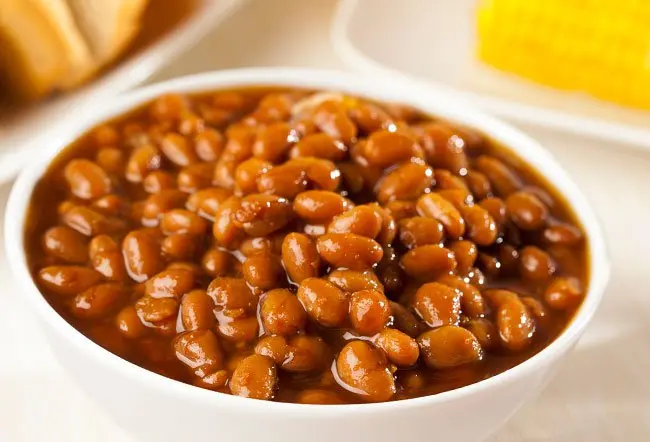
Beans are a healthy, protein-rich food, but many people experience increased gas (flatulence) after eating them and there’s a good reason for it. Beans contain complex sugars called oligosaccharides, specifically raffinose and stachyose, which the human digestive system struggles to break down.
These sugars pass through the stomach and small intestine largely undigested and make their way into the large intestine, where they meet bacteria that feast on them.
This fermentation process produces gases such as hydrogen, methane, and carbon dioxide, which are then released from the body as flatulence.
While this may be embarrassing for some, it’s completely natural and not harmful. In fact, passing gas is a sign that your digestive system is working and your gut bacteria are active.
A healthy gut microbiome is important for immune function, mood regulation, and even weight control. Beans are also rich in fiber, which promotes bowel health, lowers cholesterol, and helps control blood sugar.
However, if gas becomes painful or excessive, it might signal a sensitivity, like irritable bowel syndrome (IBS) or bean intolerance.
So, passing gas after beans is normal and often a good sign—but if it’s too uncomfortable, soaking beans longer, rinsing canned beans, or gradually increasing fiber intake can help reduce the effects.
